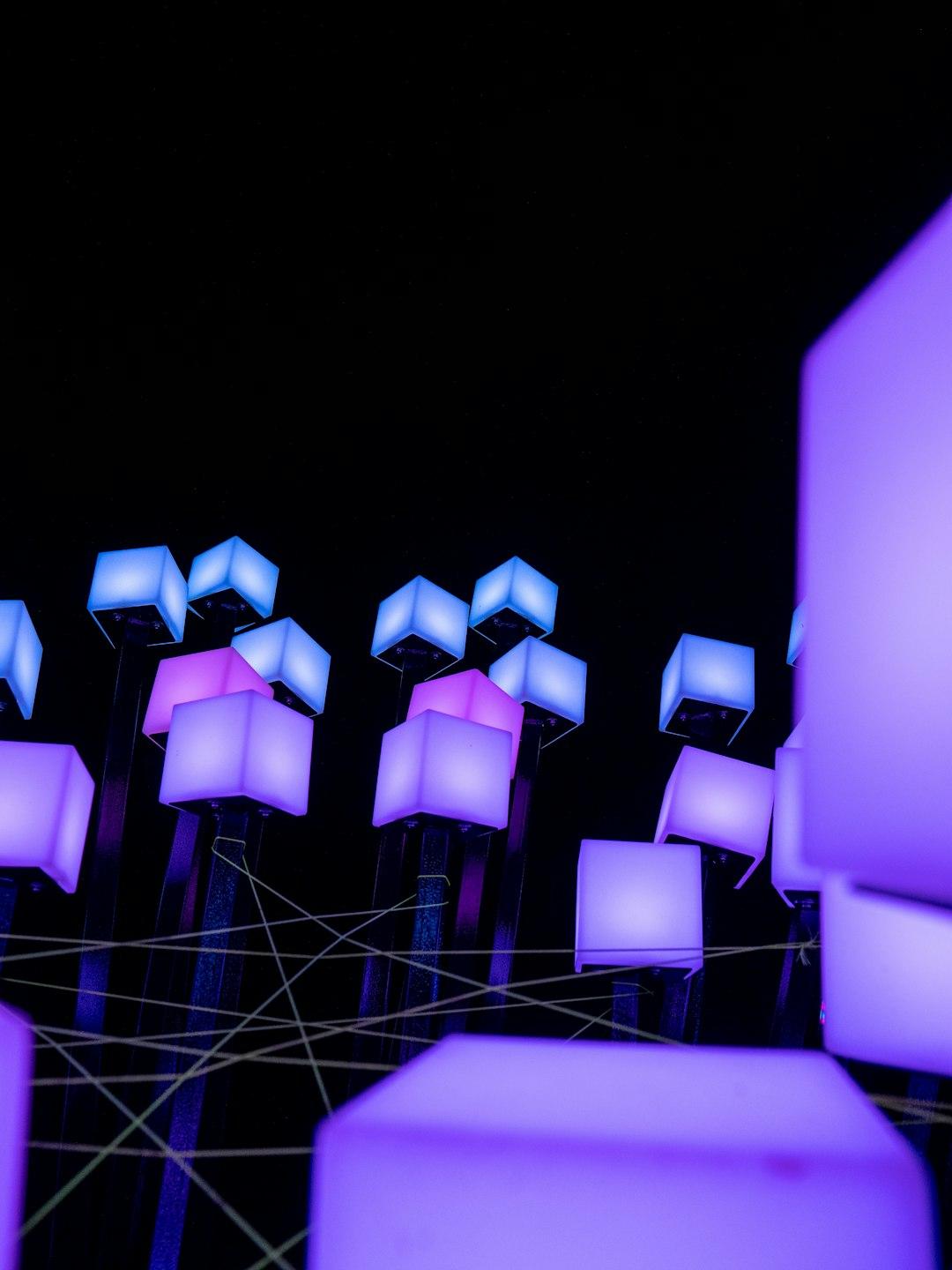
Redefining Brand Identity for the Digital Era
How modern brands are adapting their visual language to thrive across digital touchpoints and immersive environments.

Table of Contents
Modern brands are changing shape. They are no longer static logos or fixed color palettes. They are living systems designed to express meaning, interact with audiences, and adapt across digital touchpoints.
In a world where attention is fragmented, platforms evolve weekly, and users expect frictionless experiences, brand identity has become less of a look and more of a behavior.
From Visual Symbol to Responsive Ecosystem
For decades, brand identity centred around recognisability:
a mark, a font, a colour set.
Today that framework collapses in digital environments—
interfaces scale, screens animate, voice assistants speak, AI personalises experiences, and mixed reality layers context onto physical space.
A modern identity must therefore be:
- Responsive rather than fixed
- Motion-capable rather than static
- Systemic rather than asset-based
A brand is now experienced, not observed.
Visual Language as Experience Infrastructure
User journeys have become the new brand theatre.
Every micro-interaction—loading screens, UI transitions, confirmation states, even haptic feedback—shapes perception.
The most advanced brands design identity through:
- Behaviour patterns
- Emotional consistency
- Interaction models
- Motion grammar
- Data-driven storytelling
This shift elevates design from appearance to experience infrastructure.
The Rise of Immersive Expressions
Immersive environments expose an uncomfortable truth for traditional branding:
flat visuals don’t scale into 3D, AR, or conversational interfaces.
The next era of brand expression requires:
- Spatial presence
- Sonic identity
- Generative adaptability
- Narrative continuity
In other words, brands need to exist in motion—capable of breathing within multi-sensory contexts.
Why Consistency Now Means Memory, Not Uniformity
Uniformity used to be the promise.
But across platforms, uniformity becomes rigidity.
Digital identities thrive when they maintain recognisable DNA while expressing fluently in different mediums.
Consistency today is:
- Emotional recall
- Pattern familiarity
- Interaction rhythm
The brand becomes memorable not because every touchpoint looks identical, but because every touchpoint feels inevitable.
How Leading Brands Are Responding
Forward-thinking organisations are reorganising around new branding principles:
1. Design systems over brand books
Identities are maintained through guidelines that govern behaviour and variation, not static manuals.
Animations, interaction states, and transition models are treated as primary identity tools.
UX, UI, and performance marketing are no longer downstream execution; they define the brand.
The brand doesn’t “speak”—it listens, adapts, and contextualises.
- Motion identity as core language
- Experience design as brand strategy
- Human-centric narrative
Where Identity Goes Next
The next frontier is adaptive brand intelligence—
identities capable of self-adjusting based on context, persona, or environment.
AI-assisted design, conversational interfaces, immersive city platforms, and personalised content pipelines will redefine what a brand looks like when it learns.
This is the era where visual language and digital experience intersect. And the brands that embrace movement, multi-sensory expression, and behavioural identity will own the next decade.
Closing Insight
A brand no longer lives in a guideline file.
It lives in the moment someone interacts with it.
The real question for modern organisations is no longer
“How do we look?”
but
“How do we behave, adapt, and connect across realities?”
Strong brands today design meaning first, shape experiences that people actually feel, and measure their influence in outcomes rather than outputs.
The future belongs to identities that move, respond, and create impact instead of merely appearing consistent.
Need Help With This?
Let the Globalmeta team take your project to the next level. We're with you at every step, from strategy to execution.
Start a Project